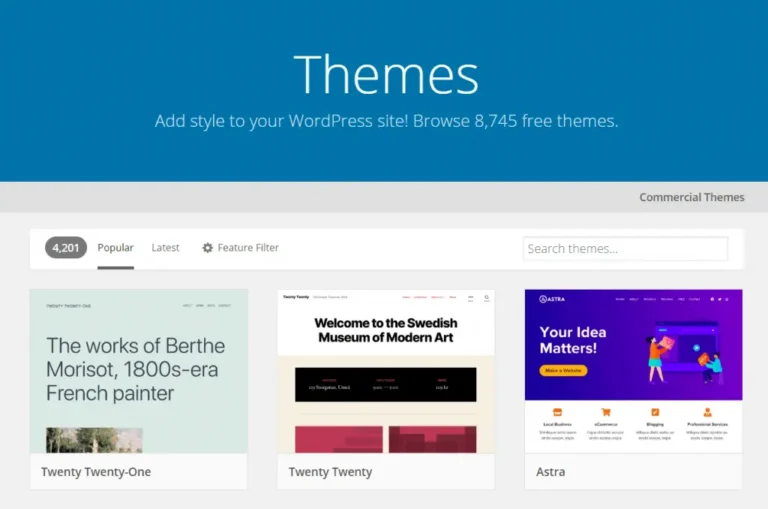
Headless WordPress case study examples offer a clear look at how modern websites are being built for speed, scale, and long-term growth. As performance expectations rise and traditional WordPress themesA WordPress theme is a set of files that determine the design and layout of a website. It controls everything … More start to show their limits, more companies are turning to headless WordPress architecture to stay competitive. The goal isn’t complexity for its own sake—it’s faster load times, greater flexibility, and content that can be delivered anywhere without friction.
From high-traffic publishers to global brands, organizations are using WordPress as a powerful content engine while pairing it with modern frontends built for performance. In this article, we’ll break down 10 real companies using headless WordPress, explain why the approach works, and share practical lessons you can apply when building or scaling a performance-focused WordPress site.
Whether you’re a developer, marketer, or decision-maker, these examples show how headless WordPress works in the real world, not just in theory.
What Is a Headless WordPress Case Study?
A headless WordPress case study shows how a company uses WordPress purely as a content management system while separating it from the frontend (the “head”). Content is delivered through APIs to modern frameworks like React, Next.js, or Vue instead of a traditional WordPress themeA WordPress theme is a set of files that determine the design and layout of a website. It controls everything … More.
In simple terms:
- WordPress manages the content
- A custom frontend controls how that content looks and performs
Companies choose headless WordPress when they need better speed, stronger security, omnichannel publishing, or the ability to scale across websites, apps, and devices. The following case studies highlight how this approach works across different industries.
10 Companies Using Headless WordPress (And Why It Works)
1. TechCrunch
Industry: Media & Publishing
TechCrunch is a high-traffic technology news site where speed and reliability are non-negotiable. Using a headless WordPress setup, the editorial team continues to publish content in WordPress, while a modern JavaScript frontend handles delivery at scale.
Why it works:
- Faster pageIn WordPress, a page is a content type that is used to create non-dynamic pages on a website. Pages are typica… More loads during traffic spikes
- Flexible frontend design without disrupting editors
- Improved performance for global audiences
What you can learn: If you run a content-heavy site, headless WordPress can handle massive traffic without sacrificing editorial workflows.
2. The New York Times (Selective Headless Use)
Industry: News & Media
While not fully powered by WordPress, The New York Times uses WordPress headlessly for specific content workflows. This hybrid approach allows teams to decouple content creation from delivery.
Why it works:
- Multiple platforms consume the same content
- Editors focus on content, not presentation
- Better long-term scalability
What you can learn: You don’t need to go “all in” immediately—headless WordPress works well as part of a larger ecosystem.
3. Nike
Industry: Retail & Brand Marketing
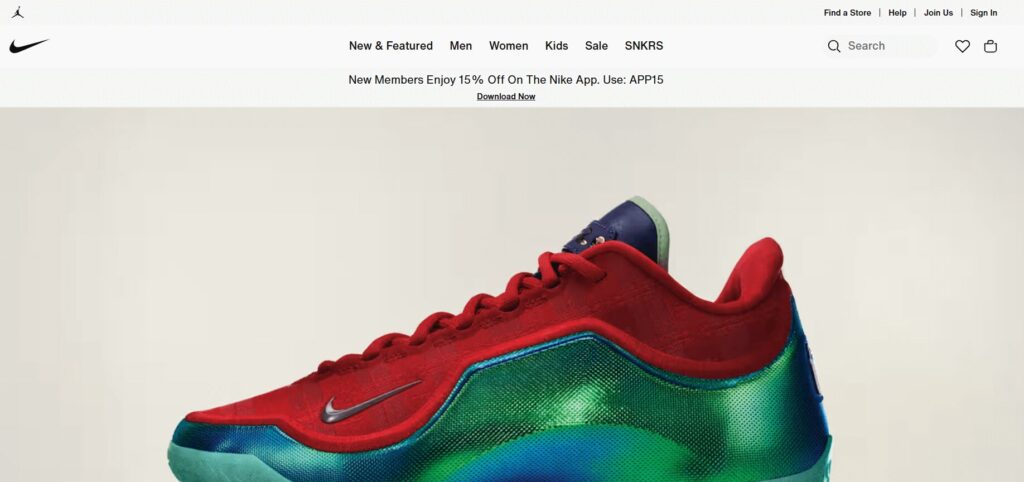
Nike uses headless WordPress to power content-driven experiences across regions and platforms. Marketing teams publish content once and distribute it everywhere—from campaign pagesIn WordPress, a page is a content type that is used to create non-dynamic pages on a website. Pages are typica… More to mobile experiences.
Why it works:
- Faster campaign launches
- Consistent brand storytelling
- Integration with custom frontend experiences
What you can learn: Headless WordPress is ideal for brands that prioritize storytelling and omnichannel marketing.
4. Spotify
Industry: SaaS & Entertainment
Spotify uses WordPress as a headless CMS for content marketing, including blogs, announcements, and campaign pages. The frontend is custom-built to match Spotify’s product experience.
Why it works:
- Seamless brand consistency
- Improved site speed and UX
- Freedom to evolve frontend design
What you can learn: Headless WordPress isn’t just for blogs—it’s powerful for SaaS content ecosystems.
5. Forbes
Industry: Digital Publishing
Forbes manages content from thousands of contributors worldwide. A headless WordPress architecture helps support this massive publishing operation while keeping performance high.
Why it works:
- Handles complex editorial workflows
- Better scalability for contributor-driven content
- Improved SEO and Core Web Vitals
What you can learn: If you manage large editorial teams, headless WordPress can reduce frontend bottlenecks.
6. Smashing Magazine

Industry: Education & Publishing
Smashing Magazine adopted a headless WordPress and JAMstack approach to improve performance and developer flexibility.
Why it works:
- Faster load times
- Better Core Web Vitals
- Modern frontend development workflow
What you can learn: Headless WordPress pairs perfectly with JAMstack for performance-focused sites.
7. Peloton
Industry: Fitness & E-Commerce
Peloton blends content, community, and commerce. Using headless WordPress, content is delivered across websites, apps, and connected fitness devices.
Why it works:
- Centralized content management
- Personalized user experiences
- Faster content updates across platforms
What you can learn: Headless WordPress shines when content needs to reach multiple digital touchpoints.
8. Mercedes-Benz
Industry: Automotive
Mercedes-Benz uses headless WordPress to manage global, multilingual content across regional websites.
Why it works:
- One CMS, many frontends
- Easier localization and governance
- Enterprise-level scalability
What you can learn: For global brands, headless WordPress simplifies content operations without limiting frontend freedom.
9. Airbnb
Industry: Travel & Hospitality
Airbnb relies on content to build trust and inspire users. WordPress works as a backend CMS while custom frontends handle performance and UX.
Why it works:
- Strong storytelling across devices
- Faster content delivery worldwide
- Flexibility to experiment with design
What you can learn: Headless WordPress is ideal for content-first brands focused on experience.
10. IBM

Industry: Enterprise Technology
IBM uses headless WordPress as part of its enterprise content infrastructure, integrating it with internal systems and tools.
Why it works:
- Secure, scalable architecture
- API-driven content delivery
- Compliance-friendly setup
What you can learn: Headless WordPress can meet enterprise-level requirements when implemented correctly.
Common Patterns Across These Headless WordPress Case Studies
When you look at these examples together, clear patterns emerge:
- Companies want better performance and speed
- Editorial teams still prefer WordPress for content creation
- Frontend flexibility is a major driver
- Omnichannel content delivery is increasingly important
- Scalability and future-proofing matter more than themesA WordPress theme is a set of files that determine the design and layout of a website. It controls everything … More
In short, headless WordPress allows companies to keep what WordPress does best—content management—while removing the limitations of traditional themes.
What You Should Consider Before Going Headless
Headless WordPress isn’t for everyone. Before making the switch, consider:
- Do you need content delivered to multiple platforms?
- Do you have developer resources for a custom frontend?
- Is performance a major business goal?
- Are you comfortable managing a more complex stack?
For simple blogs or small sites, traditional WordPress may still be the better choice. But for growing businesses, headless often pays off long-term.
Is Headless WordPress Right for Your Business?
If your site needs speed, flexibility, and scalability, these headless WordPress case study examples show that the approach is proven at every level—from startups to global enterprises.
The key is choosing the right architecture, frontend framework, and hosting environment. When done correctly, headless WordPress unlocks performance and flexibility that traditional setups can’t match.
Final Thoughts
These 10 companies prove that headless WordPress is no longer experimental—it’s a trusted solution used by industry leaders. Whether the goal is faster performance, better SEO, or omnichannel publishing, headless WordPress delivers real results.
If you’re exploring modern WordPress architecture, learning from these real-world examples is the best place to start—and the strongest reason to consider going headless.
The performance gains in these headless WordPress case study examples start with the right hosting. If you want fast WordPress hosting and done-for-you updates, explore our hosting packages below.